Feeling lost? Understand yourself better.
A 6‑minute test built on Carl Jung's ideas. See how you make decisions, the role you've been playing, and what keeps holding you back.
Free result · about 6 min · no sign-up
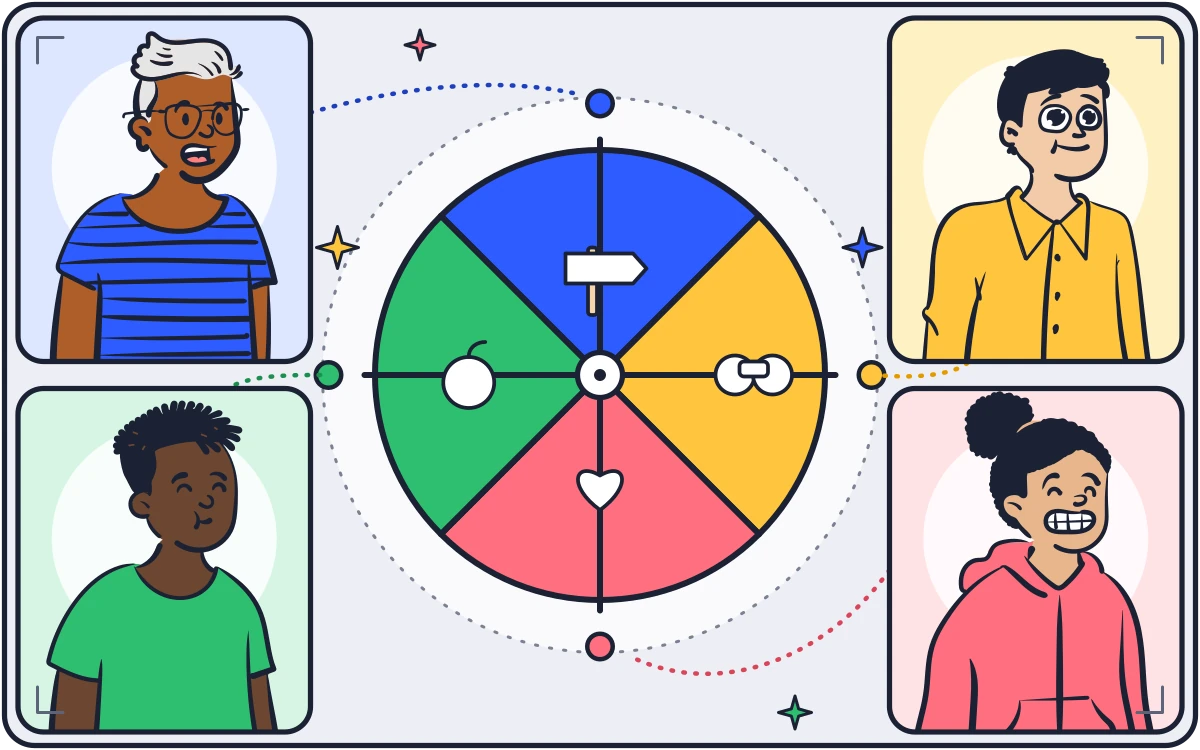
- Logic
- Values
- Facts
- Possibilities
Sound familiar?
- You're doing fine on paper, but it doesn't feel like yours.
- You keep starting things and dropping them.
- Everyone else seems to know what they want.
- Small things set you off more than they should.
These rarely come out of nowhere. Carl Jung noticed that people get stuck in ways that follow from how they are wired: how they decide, the role they play, and the side of themselves they leave unused.
What you'll find out
Your result reads like a short letter about you, written from your own answers. It covers:
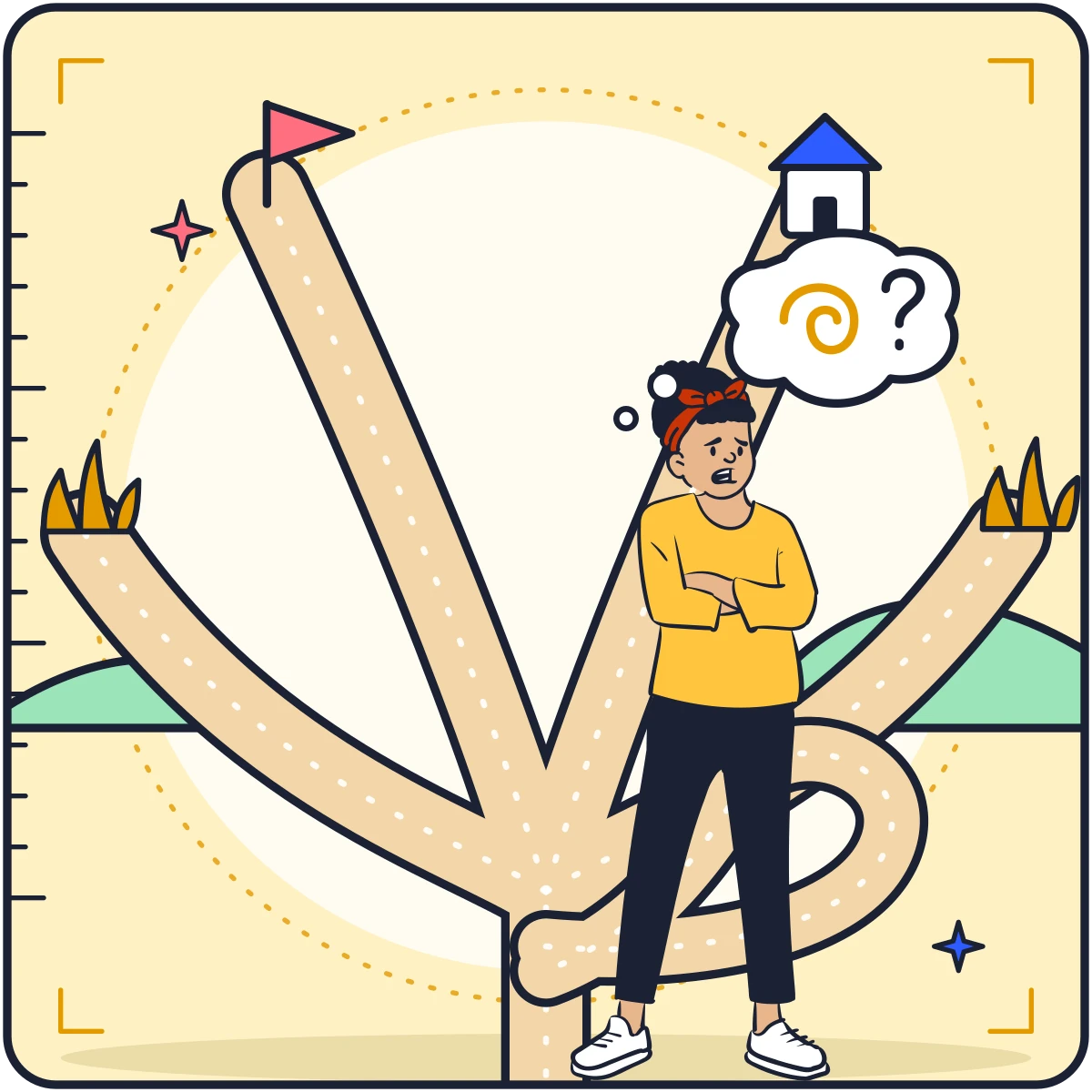
Why you might feel lost
Most people who feel lost are not lazy or broken. They rely on one way of choosing so much that it starts to limit them. Your result names that habit in plain words, from the way you answered the scenes.
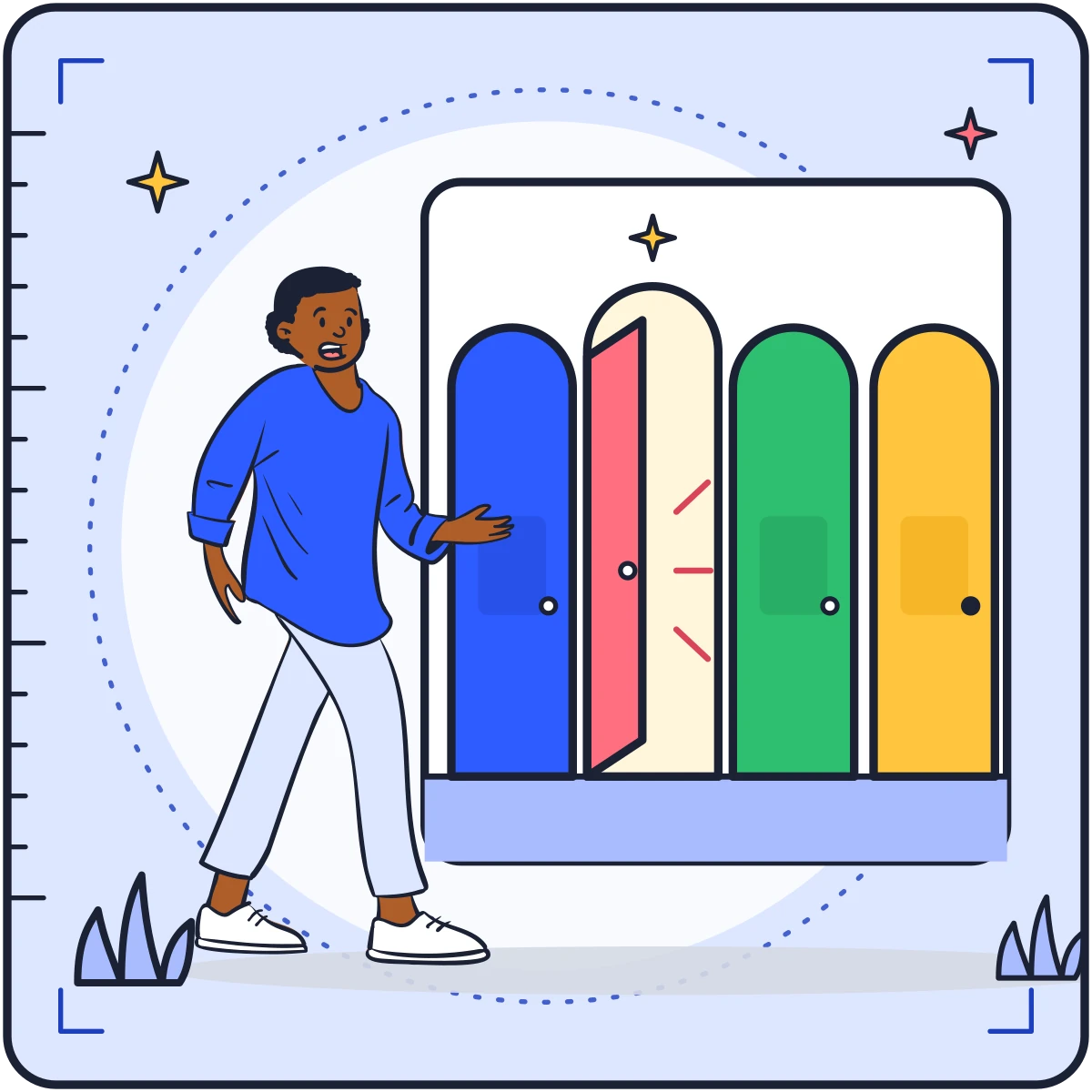
How you decide
Jung saw four ways people make up their minds: by logic, by what something is worth to them, by the facts in front of them, or by what could be. One of them usually leads. You see which one leads for you, and where it tends to mislead you on big choices.
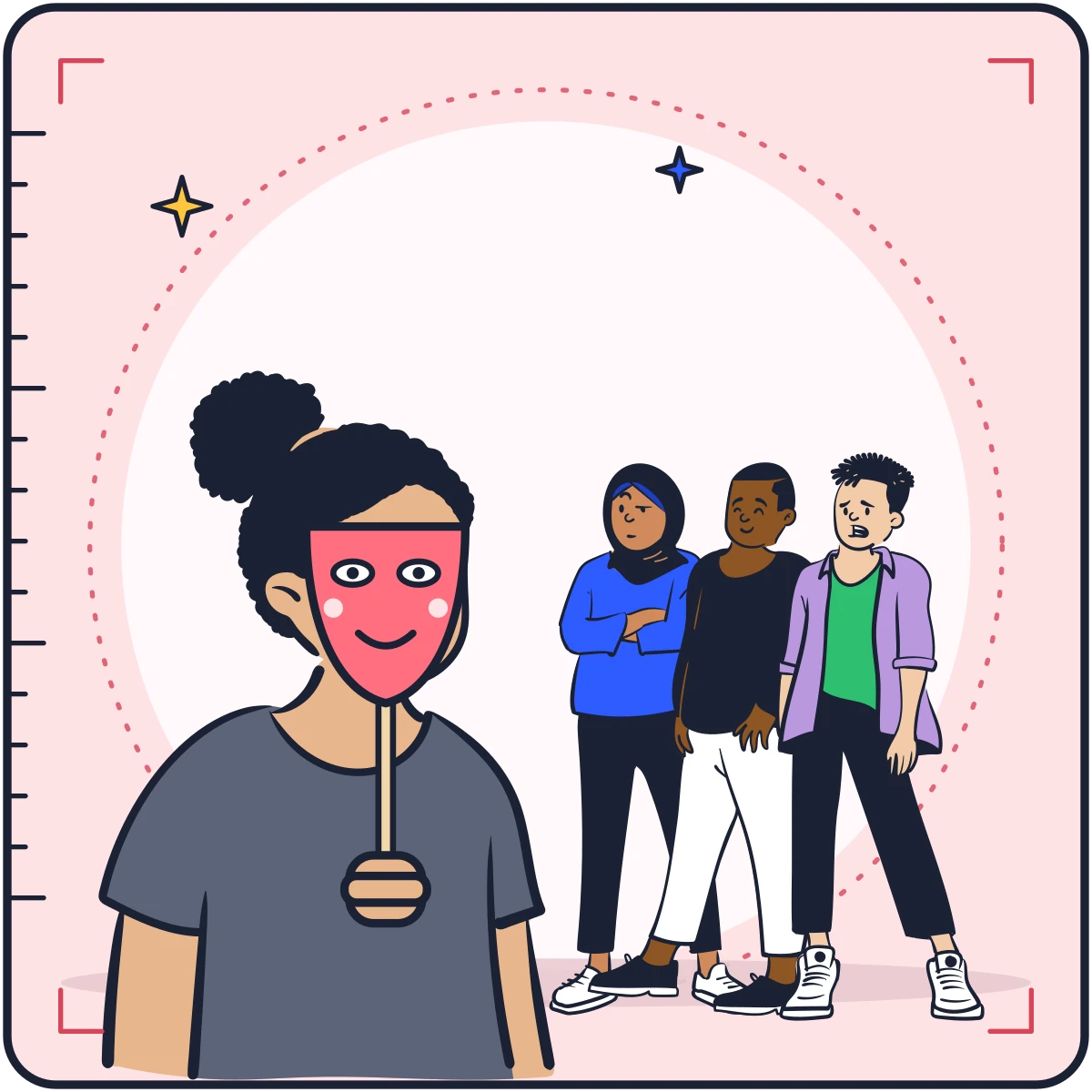
The role you've been playing
Everyone plays a role at work, with family or with friends: the reliable one, the fun one, the one with answers. That is normal. The trouble starts when the role takes over. You see how tightly yours fits, and whose expectations it may be built on.
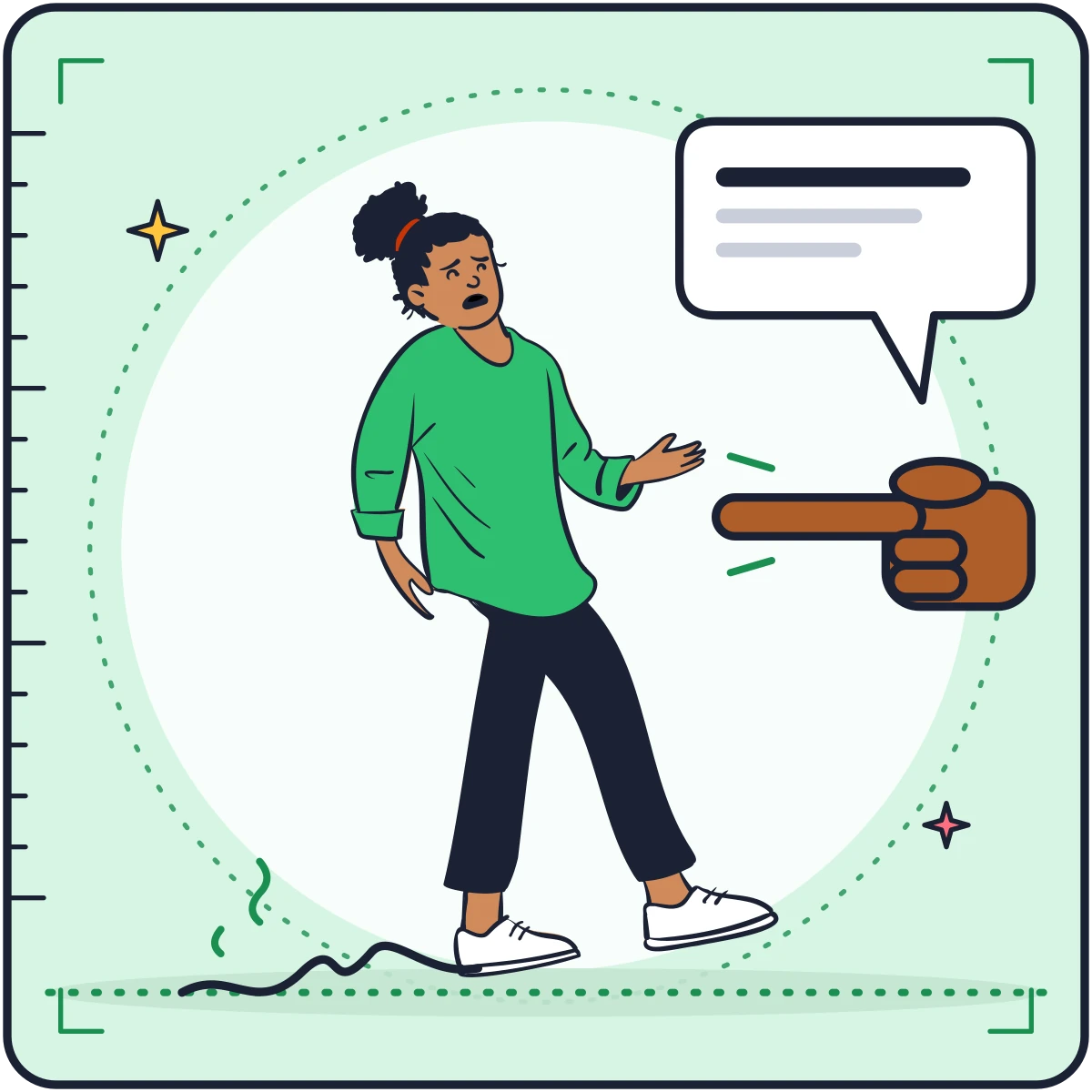
What keeps throwing you off
Some moments hit harder than they should: being corrected in front of people, being told how to do things, being left out. You see which kind of moment upsets you most, how much choice you lose in it, and how long it takes you to recover.
How it works

Answer short, everyday scenes
A plan falls apart, a friend asks for advice, a boss corrects you. Tap what you would actually do.

See how you're wired
Which way of deciding leads for you, and the role you may have been playing. Free, the moment you finish.
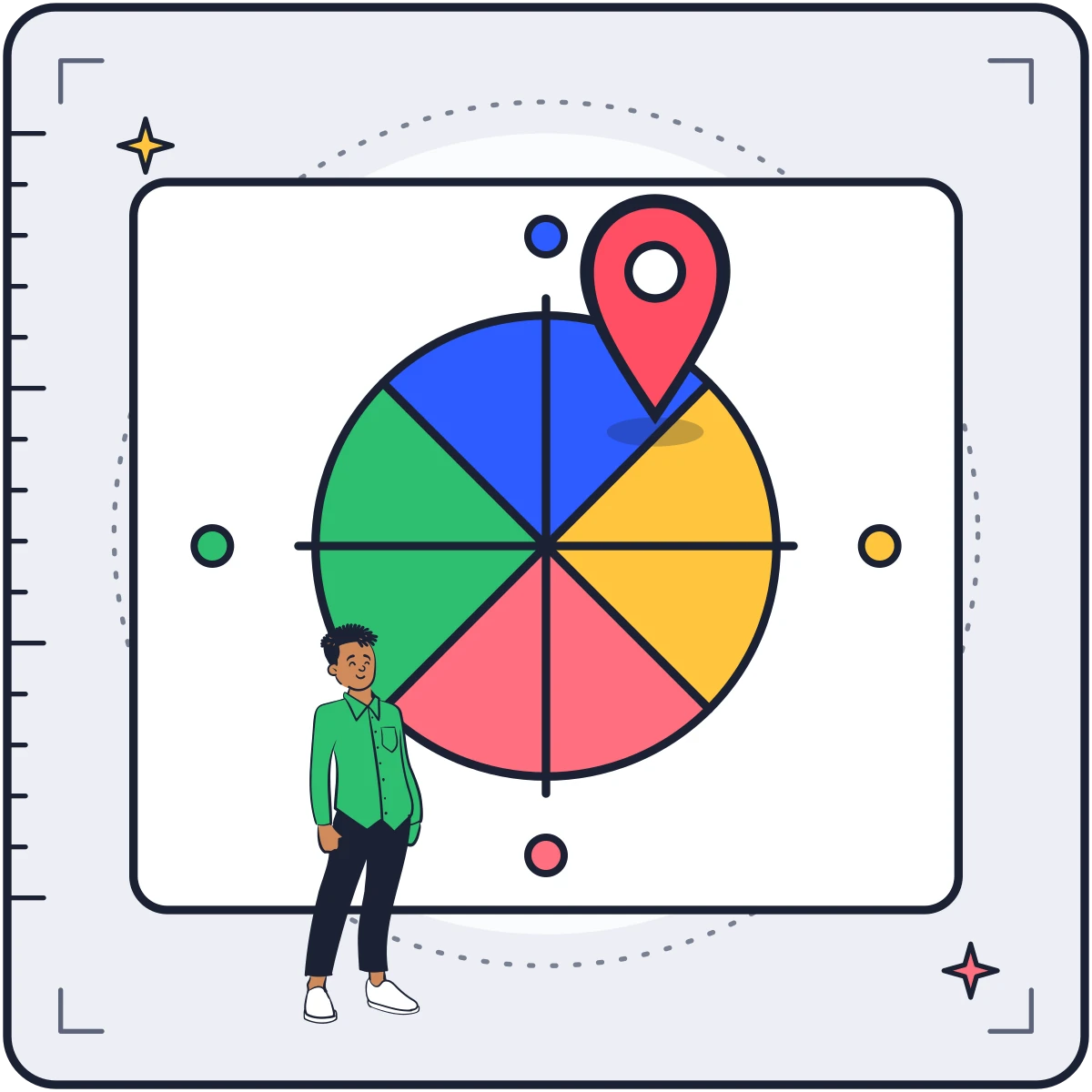
Find what's holding you back
The moments that throw you off, the side of you that's been waiting, and small experiments to get unstuck.
The four ways you meet the world
Logic (thinking). Working out what makes sense: what is true, and what follows from it.
Values (feeling). Asking what something is worth to you. It is a choice about what matters, not a mood.
Facts (sensation). Noticing what is actually there, before anyone interprets it.
Possibilities (intuition). Seeing what could be: patterns, hunches, what this could become.
You tend to lean on one of these most. The one opposite it is the one you reach for last.
What you get
Your free result
Shown right after the test.
- Why you might feel lost, written from your answers
- How you decide: a map of your four functions
- One side of you that has been waiting
- Your pattern right now, as an illustrated card to share
Your full report
Optional. You can unlock it after the test if you want it.
- More than 20 pages, written from your answers
- Your strengths, and how other people may see you
- The role you've been playing, and what keeps throwing you off
- You under stress, in relationships and at work
- 14 small experiments to find your direction
Questions
Is it free?
Yes. Your result is free: why you might feel lost, how you decide, one side of you that has been waiting, and your pattern as a card to share. After the test you can choose to unlock an in-depth report. You never have to.
Is this MBTI?
No. There are no letters and no 16 types. It is inspired by Carl Jung's own model: four ways of dealing with the world (Logic, Values, Facts and Possibilities, which Jung called thinking, feeling, sensation and intuition) and whether you look to other people and the situation or to your own sense of things. Your result is one of nine patterns, each with a nickname, and a mixed result, with no one way clearly ahead, is normal too. We are not connected to MBTI.
Is it therapy?
No. It is a self-reflection quiz, not therapy or a diagnosis. If you're struggling, talk to someone you trust or a professional. Free helplines by country: findahelpline.com.
How long does it take?
About 6 minutes: 23 short scenes, one tap each. No sign-up.